Athenaeum presents landmark exhibition centered on Beverly Buchanan’s Athens years

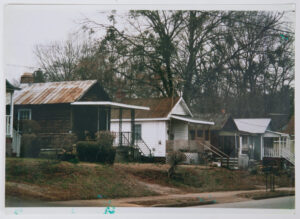
Beverly Buchanan, Untitled, Undated [circa 1990s]. Color photograph. 4 x 6 in. Courtesy of Prudence Lopp.
Last Updated
December 17, 2025
Published
December 16, 2025
Tags
Athenaeum
Featuring
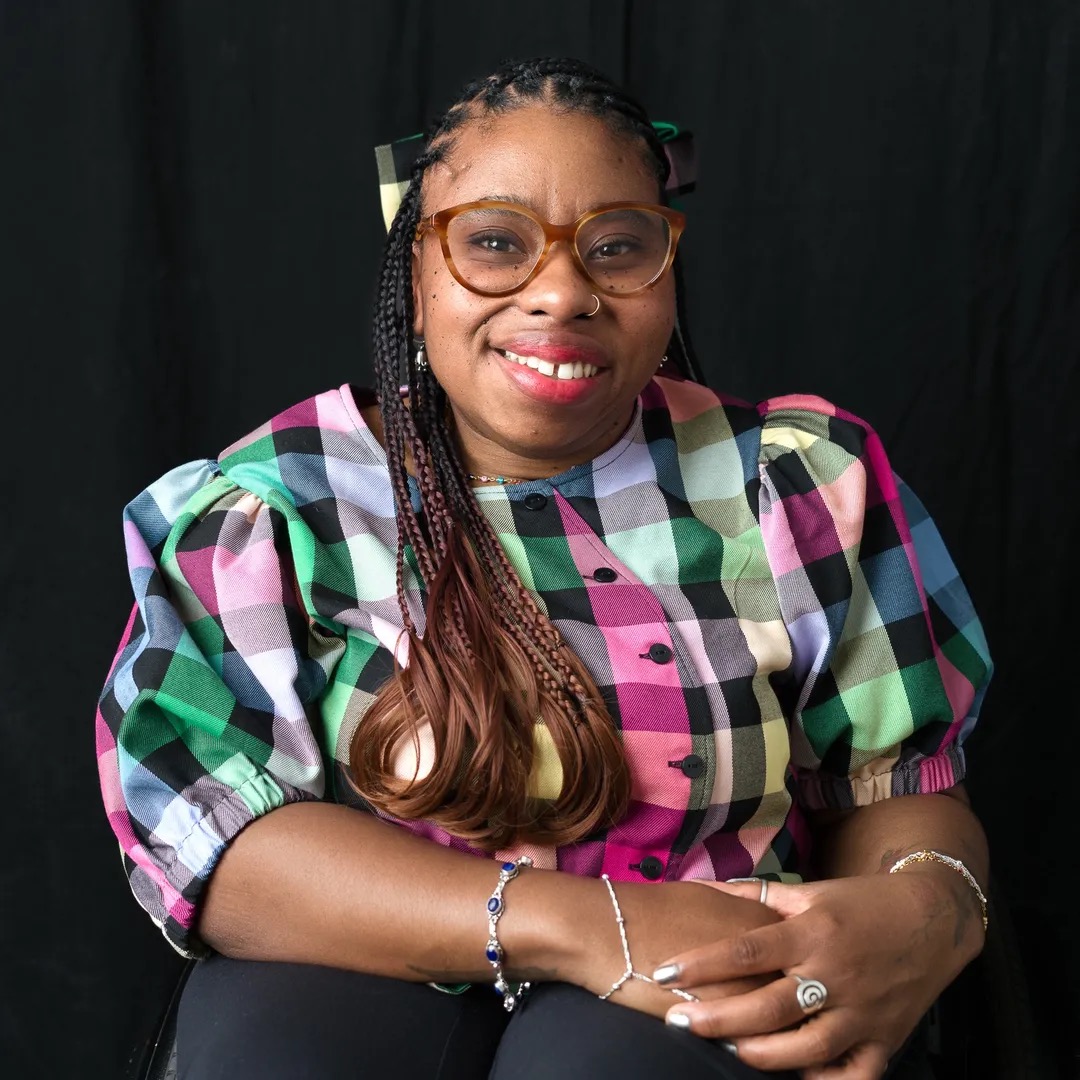
Mo Costello
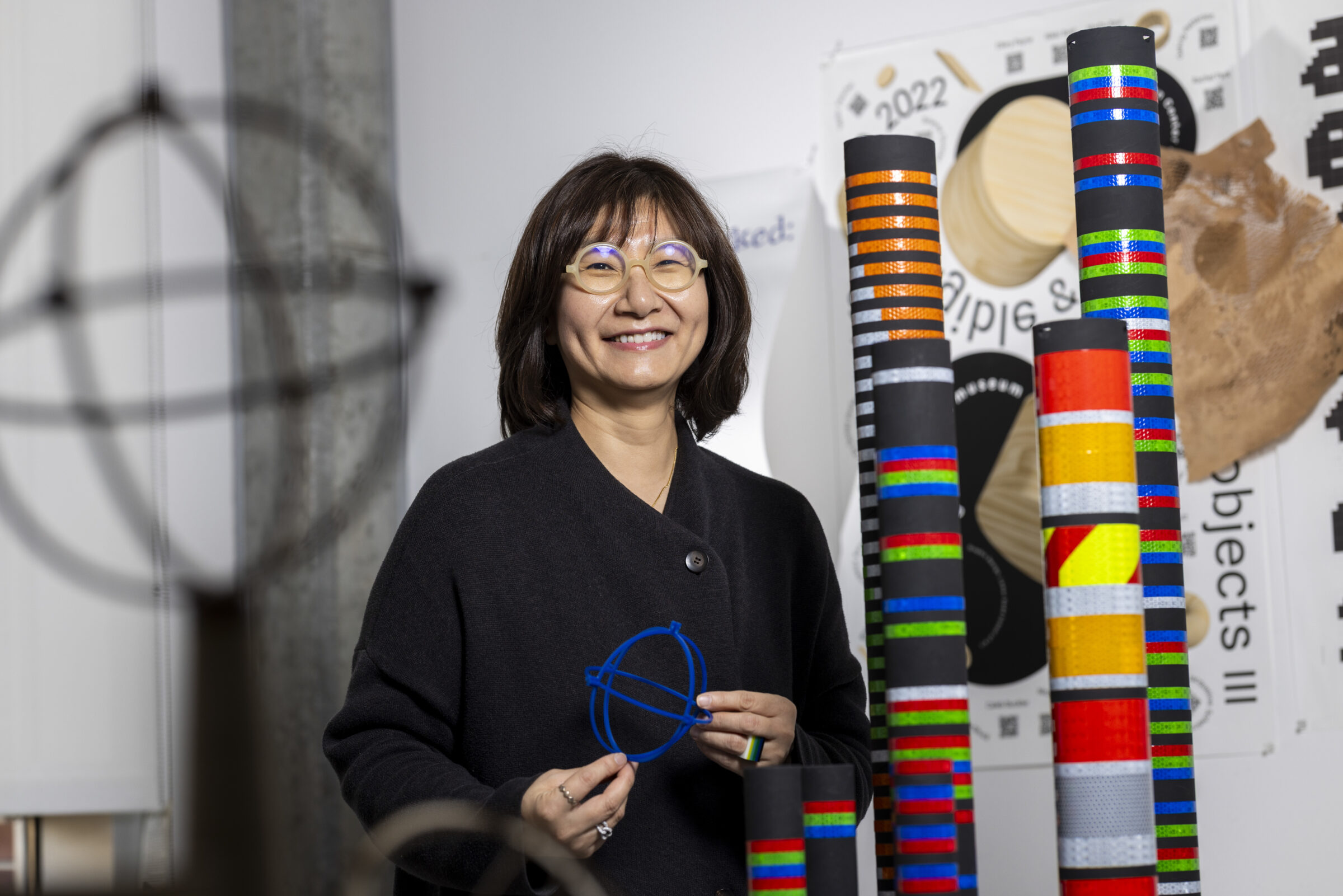
Rachel Waldrop
Academic Area
Sculpture
The Athenaeum at the University of Georgia presents Beverly’s Athens, the first institutional exhibition to focus on the more than two decades that artist Beverly Buchanan (American, 1940–2015) made Athens her home, opening January 16, 2026. Bringing together lesser-known works—small sculptures, drawings, photographs, print multiples, autobiographical ephemera, research materials—alongside examples of her noted ‘shacks’ paired with new archival research, the exhibition foregrounds the daily relationships, local geographies, and lived conditions that shaped Buchanan’s practice, allowing the textures of the artist’s lived experience to emerge.
Buchanan arrived in Athens in 1987 after formative years living and working in Macon and Atlanta. In Athens she established a pattern of transforming her domestic environments into live/work studios. Over the following twenty-three years, she produced an expansive body of work from within the three houses she inhabited over this period. These works ranged from the nationally celebrated sculptures, drawings, and documentary photographs Buchanan created as tributes to the Black vernacular architectures she studied in Athens and its surrounding counties, to an abundant array of personal musings, print reproductions, and material studies created in the daily rhythms of life. Although Buchanan spent more years working in Athens than anywhere else, this period has never been the subject of a dedicated solo exhibition in the city she considered home.

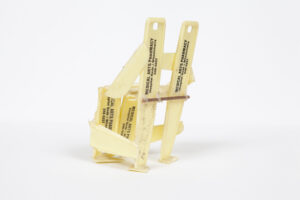
Beverly Buchanan, Untitled (For Debbie and Andy), 1992. Compounding pharmaceutical spatulas, wood, glue and ink. 3 x 5.5 x3 in. Courtesy of Private Collection.
Co-curated by Mo Costello and Katz Tepper, Beverly’s Athens brings together artworks and ephemera from the extended circle of friends, neighbors, and caregivers whose relationships with Buchanan were marked by mutual care and creative exchange. While her sculptural ‘tributes’ commemorating Southern vernacular architecture traveled widely to major institutions, a remarkable number of lesser-known forms remained rooted in Athens—print editions of calendars, postcards, greeting cards, and artist books; small found-object assemblages with personalized inscriptions; studio process snapshots and polaroids; and other ‘minor forms’ she gifted, sold, or lived alongside. Formed within the dependencies that chronic illness and disability brought into her routine, these objects moved through the community in moments of both precarity and creative abundance, revealing an informal yet sustaining network of support. Buchanan’s voice remains present through these dispersed fragments, and her narration-—her captions, inscriptions, and artist statements—foregrounds how disability, Black Southern experience, and lived survival shaped her artistic practice. Taken together, they offer a fuller portrait of Buchanan, one grounded in local ties, quotidian experiences, and a life lived in close connection with community.
“In shaping this exhibition, we wanted to gesture toward the entanglements that shaped Buchanan’s life and work in Athens,” said co-curator Katz Tepper. “Her photographs, notes, and small assemblages trace her sustained methods of record-keeping, processing, and witnessing—of commemorating practices of survival that persist against forces of disappearance. By bringing her materials into dialogue with archival records on Linnentown, we hoped to charge the site of the exhibition itself, placing Buchanan’s work in conversation with the community-led efforts against erasure that continue to shape Athens today.”

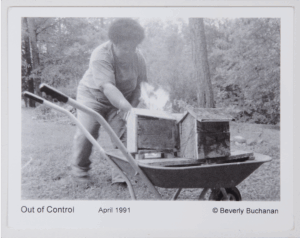
Image: Beverly Buchanan, "Out of Control," 1991. Artist reproduction of photograph on card-stock. Courtesy of Prudence Lopp. Image Credit: Mo Costello. © Beverly Buchanan. Buchanan in her backyard in Athens, GA, where she is pictured burning several of her wooden shack sculptures. The artist reprinted and distributed photographs of the performance and ritual burning in an edition of postcards. Many of the items in the artist’s personal archive take the form of artist multiples and include postcards, greeting cards, business cards, calendars, and other print-based works which the artist then distributed widely among friends, acquaintances and strangers.
To reflect these intertwined modes of living, making, and researching, the exhibition reshapes the Athenaeum’s 5,000-square-foot space into five thematic sections, each oriented around a facet of Buchanan’s Athens period:
- Self-Representation — Self-portraits and the artist’s humorous business cards foreground Buchanan’s own voice at the entrance to the exhibition.
- Rocksprings St — An iterative series of Buchanan’s documentary photographs and accompanying drawings and texts depict a row of shotgun houses that still stand on a street nearby the university campus, accompanied by a landscape-scale image installation. This section also provides a visual and conceptual link to the nearby Linnentown neighborhood, where similar shotgun homes once stood before their demolition by the University of Georgia.
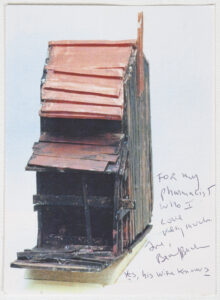
- Hawthorne Drugs — This section brings together artworks and materials tied to Buchanan’s experiences of chronic illness and to the intimate networks of support she cultivated in navigating it, including personalized gifts to pharmacists at Hawthorne Drugs and other healthcare providers, as well as drawings and writings that reflect her enduring belief in angels.
- Beverly’s Homes & Garden — Large photo-vinyls of Buchanan’s home studios join small sculptures, photographs, and writings that reveal the porous boundary between domestic life, disability, and artistic labor, and a video projection of her lush 1995 garden—shown with the stone and wooden works featured in it—underscores her sustained attention to gardening, flora, and abundance.
- Study Room — Selections from Buchanan’s notebooks, photocopies, captioned documentary polaroids, and artist print reproductions assembled as an active research environment echoing the layered surfaces of Buchanan’s studio. Essays commissioned for the exhibition by contemporary scholars Patricia Ekpo and Bryn Ashley Evans live alongside reproductions of Buchanan’s father’s thesis paper, emphasizing the role of lineage and study in her practice.
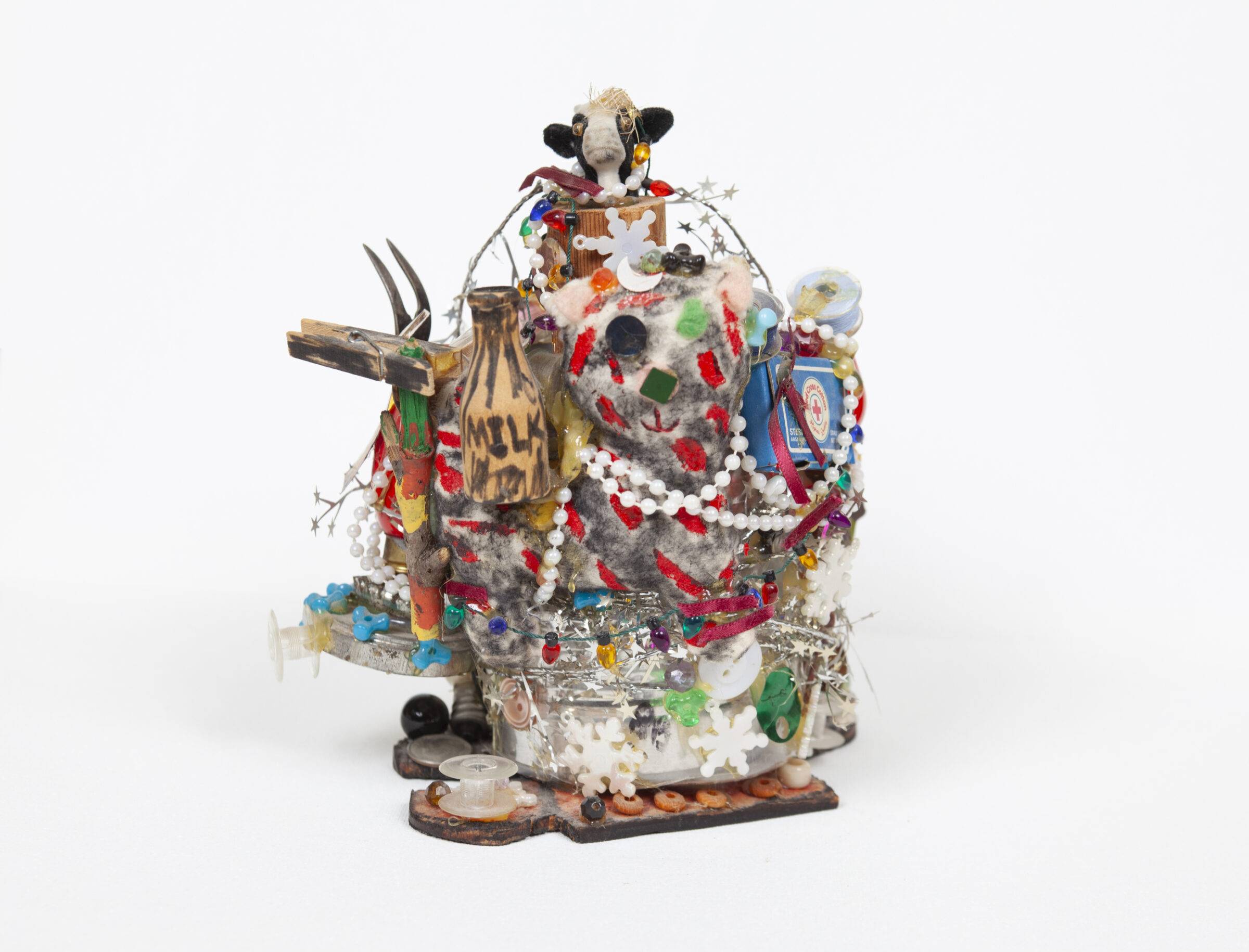
Beverly Buchanan, Untitled (Spirit Jug), Undated [circa 1990s], Found objects, glue. 7 x 8 x 7 in. Courtesy of Private Collection.
In addition to Buchanan’s materials, the exhibition incorporates select records from the University of Georgia’s Special Collections Library which document the history of Linnentown, a majority Black-neighborhood of shot-gun shack houses. Paired alongside Buchanan’s photographs of the still-standing row of shot-gun shacks on nearby Rocksprings Street, these archives, uncovered by Linnentown’s descendants in recent years, lend a powerful historical resonance to Buchanan’s attention to forces of erasure, and her commitments to place and historic preservation.
Beyond the gallery, off-site installations place Buchanan’s works in locations she frequented—pharmacies, medical offices, repair shops, and local businesses—mapping her daily routes and acknowledging the non-art spaces where her work circulated and was cared for.
Her home environments, particularly her garden, were equally vital. Photographs and video excerpts reveal how Buchanan cultivated spaces of refuge and abundance—vivid flowers, layered greenery, the movement of butterflies—offering a counterpoint to the medical precarity documented elsewhere in her archive. In tending her garden, she shaped a place where observation, care, and imagination could flourish.
By bringing these materials into focus, Beverly’s Athens offers a portrait of Buchanan situated in place and grounded in textures and structures of daily life: her relationships, her home, her lived experience of disability, and her attunement to Black Southern geography, traditions, and forms. The exhibition honors her commitment to documenting lives, histories, and landscapes often overlooked, and celebrates her belief in art as a generous, sustaining force.
Beverly’s Athens is organized by The Athenaeum, a non-collecting contemporary art exhibition venue affiliated with the University of Georgia and the Lamar Dodd School of Art. Shacks, Stories and Spirit: Beverly Buchanan’s Art of Home, a concurrent exhibition at the Georgia Museum of Art, explores how artist Beverly Buchanan uses vernacular Southern architecture—especially the humble “shack”—to evoke memory, community, and resilience, re-imagining structures of home as vibrant embodiments of both personal and collective histories.
Beverly’s Athens is made possible through generous financial support from the Teiger Foundation.
Exhibition Information:
Venue: The Athenaeum, 287 West Broad Street, Athens, GA 30601
Dates: January 16–March 21, 2026
Opening: January 17, 2026 | Media and VIP preview: 3–4pm | Public reception: 4–6pm
More Information: athenaeum.uga.edu
Press Contacts:
Rachel Waldrop
Director & Curator, Athenaeum
Maya Mathur
Account Coordinator, Cultural Counsel
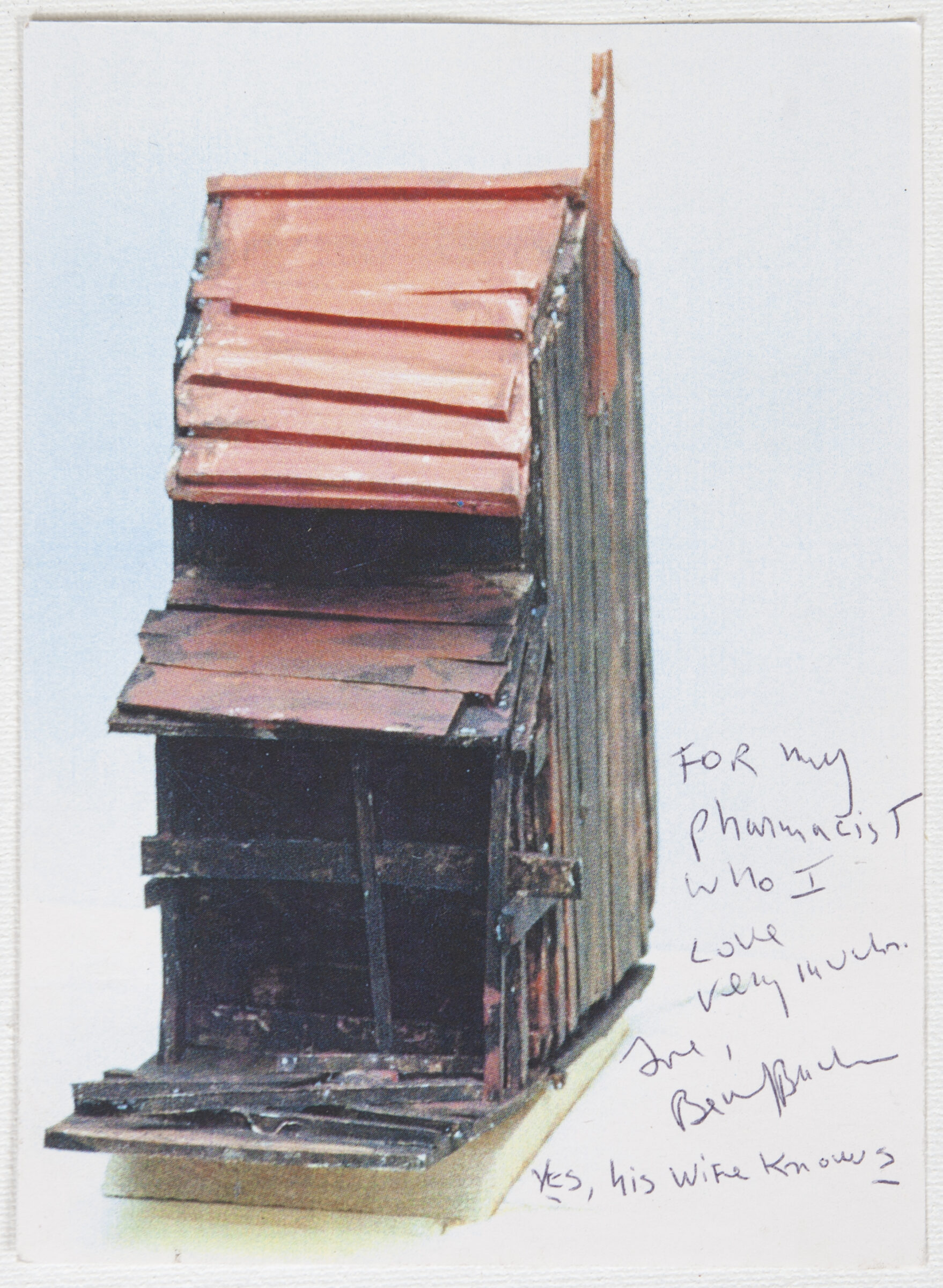
Beverly Buchanan, Untitled (For my Pharmacist Who I Love Very Much), Undated [circa 1990s], Color reproduction on cardstock. 4 x 6 in. Courtesy of Private Collection.
Part Of